Motorhome Winterisation
A methodical approach to preparing your vehicle's systems for freezing temperatures.
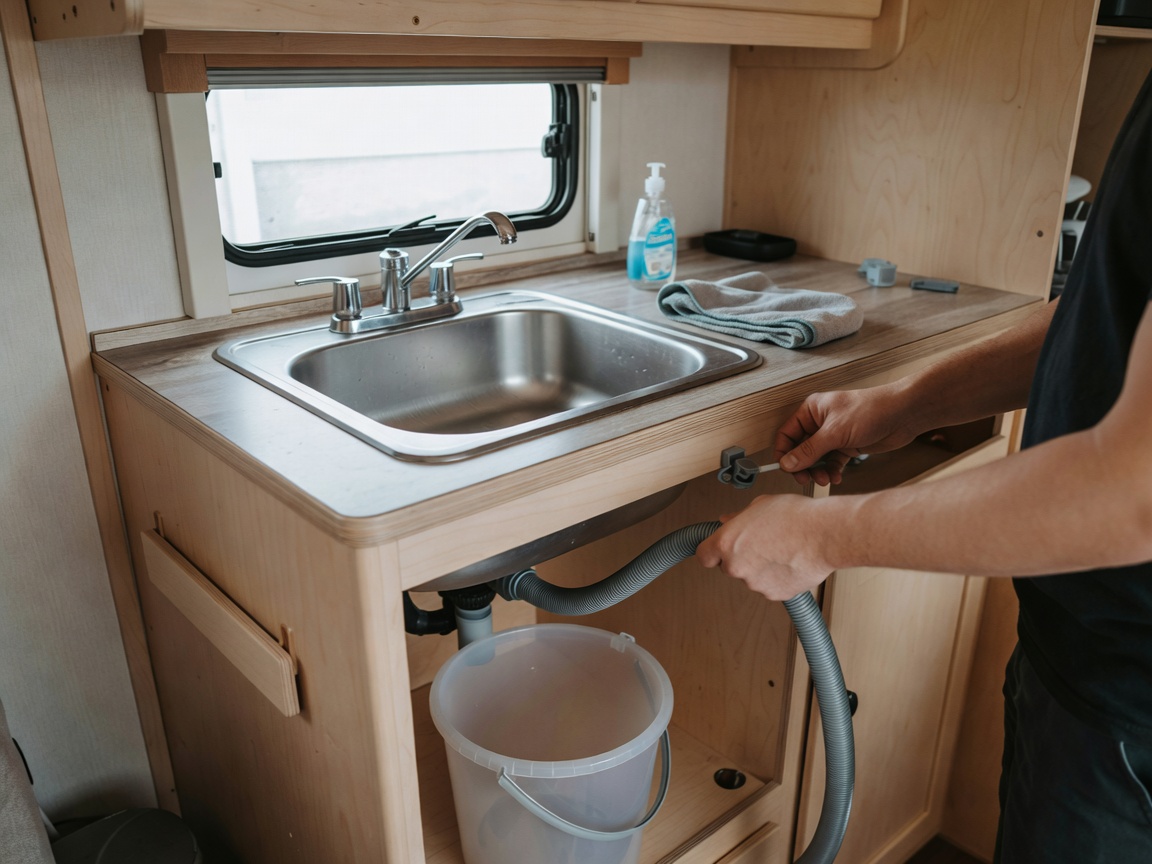
The Freeze Threat
I've known plenty of experienced travellers who thought they could get away with skipping a thorough winterisation because "it doesn't get that cold here." A cracked water boiler in March quickly disabuses you of that notion. Water expands when it freezes, and plastic plumbing fittings and expensive boiler systems will always lose that battle.
Step-by-Step Water System Preparation
This is arguably the most crucial part of your winter prep. Follow this flow:
- Open all drain valves: Start with the fresh water tank, then the grey water tank. Leave the valves open.
- Drain the boiler: Locate your water heater's drain valve (often a yellow toggle or a frost-protection valve) and open it. Ensure all water is expelled.
- Open the taps: Turn all taps (kitchen, bathroom, shower) to the central position (mixing hot and cold) and leave them open. This prevents vacuums from holding water in the lines.
- Remove the showerhead: Unscrew it and lay the hose down in the tray to let gravity do its work.
- Run the pump: Briefly run the water pump for 10–15 seconds to clear any residual water in the housing. Do not run it dry for long.
Battery Considerations
Cold weather is exceptionally hard on batteries. If your motorhome is stored somewhere without electrical hook-up (EHU), a lead-acid leisure battery left connected will slowly drain via background loads (alarms, tracking devices, clock memory). Once deeply discharged and exposed to freezing temperatures, the battery can physically freeze and crack.
Ideally, if you lack solar trickle charging or EHU, remove the leisure battery and take it home to store in a cool, dry place on a smart charger. If that's not possible, disconnect the negative terminal and plan to visit every month with a portable charger.
Fluids and Engine Preparation
Don't neglect the base vehicle. Ensure the engine coolant/antifreeze concentration is adequate for the lowest expected winter temperatures. Top up the windshield washer fluid with a proper winter-grade formula; summer bug-wash will freeze in the reservoir, potentially cracking the plastic tank or the lines.
Interior Preparation and Ventilation
A closed-up motorhome traps moisture. Combine that with fluctuating winter temperatures, and you have a recipe for condensation, dampness, and mould.
- Empty the fridge completely. Clean it out with a mild anti-bacterial solution, and wedge the door open using the built-in catch (or a rolled-up towel).
- Remove all bedding, towels, and clothing. Leave wardrobe and cupboard doors slightly ajar to allow air to circulate.
- Pull cushions away from the walls. If possible, stand them on edge to allow air underneath.
- Ensure all roof vents are securely closed against rain, but rely on the built-in passive ventilation to keep air moving.
Exterior Protection
Give the exterior a thorough wash before storage. Tree sap or bird droppings left over winter can etch into the paintwork. Consider applying a high-quality protective wax; it acts as a sacrificial barrier against the winter elements.