Spring Motorhome Preparation
Reverse the winterisation process systematically to ensure a smooth, issue-free start to the travel season.
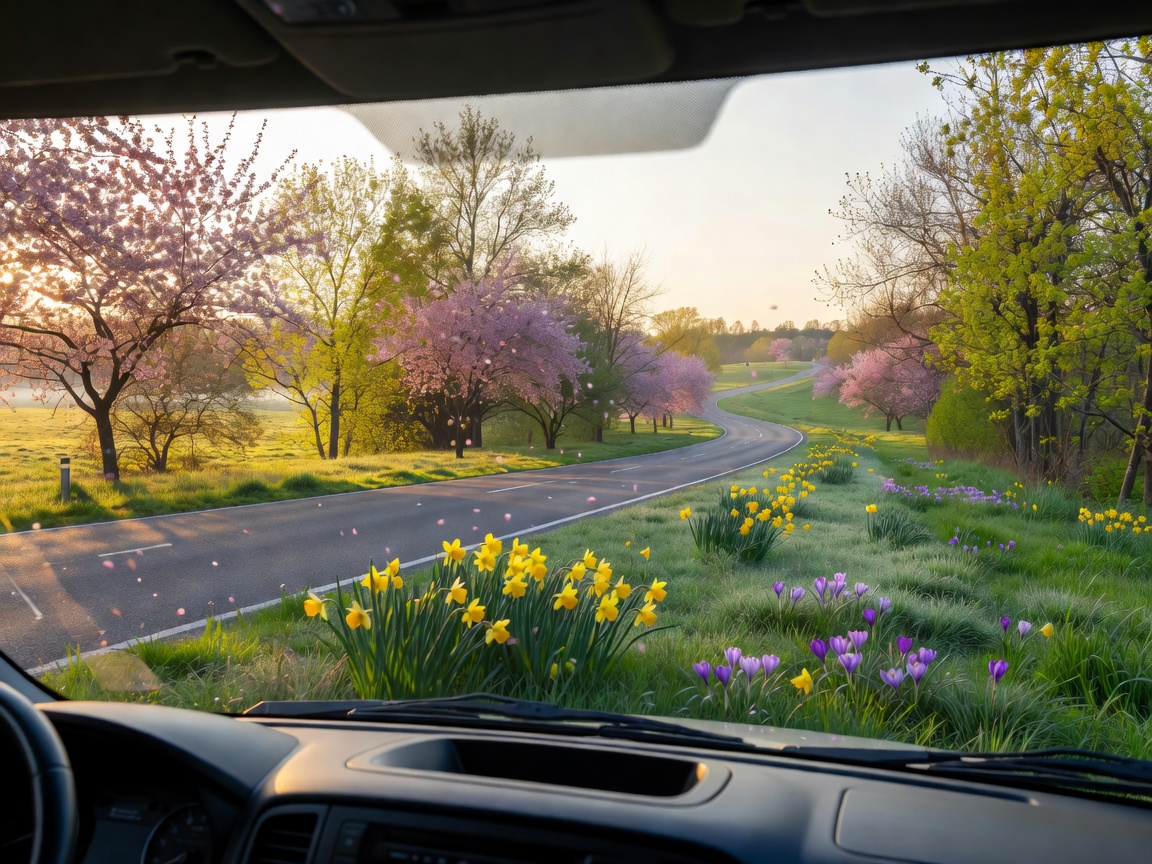
Recommissioning After Winter
Spring holds a lot of promise, but nothing dashes the excitement of a new travel season faster than discovering a water leak on your driveway the morning you intend to leave. Waking your motorhome up is a process that shouldn't be rushed. Ideally, plan this recommissioning weekend a few weeks before your first planned trip.
Reversing the Water System Prep
If you followed a good winterisation protocol, your pipes are empty and your valves are open. Let's get the water flowing again safely.
- Close all valves: Shut the fresh tank drain, the grey tank drain, and crucially, the boiler frost valve. (Note: The interior temperature usually needs to be above 4-5°C for automatic frost valves to stay shut; turn the heating on for a bit if necessary).
- Close all taps: Shut the kitchen, bathroom, and shower taps. Re-attach the showerhead.
- Partially fill the tank: Put about 20 litres of fresh water into the tank. Do not fill it completely just yet—if there is a massive leak, you don't want 100 litres inside the vehicle.
- Bleed the system: Turn on the water pump. Open the cold tap in the kitchen until the sputtering stops and water flows smoothly. Then switch it to hot. Repeat for all taps.
- Inspect for leaks: Check under the sink, around the water pump, and near the boiler for any tell-tale drips. If the system is holding pressure (the pump turns off and stays off), you're generally in good shape.
Battery and Electrical Checks
Reconnect the leisure battery if you removed it. Use a multimeter or your onboard control panel to verify the voltage is healthy (ideally sitting above 12.6v at rest). Test the habitation lights, the water pump, the 12v sockets, and the control panel functions. Hook up to mains power (EHU) and confirm the 230v sockets and battery charger are operating correctly.
Tyre and Exterior Inspection
Tyres that have been stationary for months will have inevitably lost some pressure. Check them cold and inflate them to the manufacturer's recommended pressures for your vehicle's loaded weight. Inspect the sidewalls for any tiny cracks or bulges that may have developed.
Walk around the exterior. Look closely at the seals around the rooflights and windows. Wash off any winter grime and inspect the wipers—wiper blades often perish over winter and will smear the glass terribly on a spring morning.
Pre-Trip Testing
Once the habitation checks are complete, address the base vehicle. Check the oil level, coolant level, and brake fluid. Start the engine and let it warm up. Listen for any unusual belts squeaking. Test the brakes gently before leaving your driveway or storage facility.
Common preparation mistakes include forgetting to check the gas bottle levels, assuming the tyres haven't lost pressure, and failing to sterilise the fresh water system after a long period of stagnation. Take your time, use a checklist, and your first trip will be as relaxing as intended.